What to Bring for the Climb
The full packing list for the Santa Ana volcano hike: essentials with the reasons behind them, exactly how much cash to carry, and what changes by season.
 Written with Carlos Hernández, Santa Ana Volcano tour guide & hiking specialist
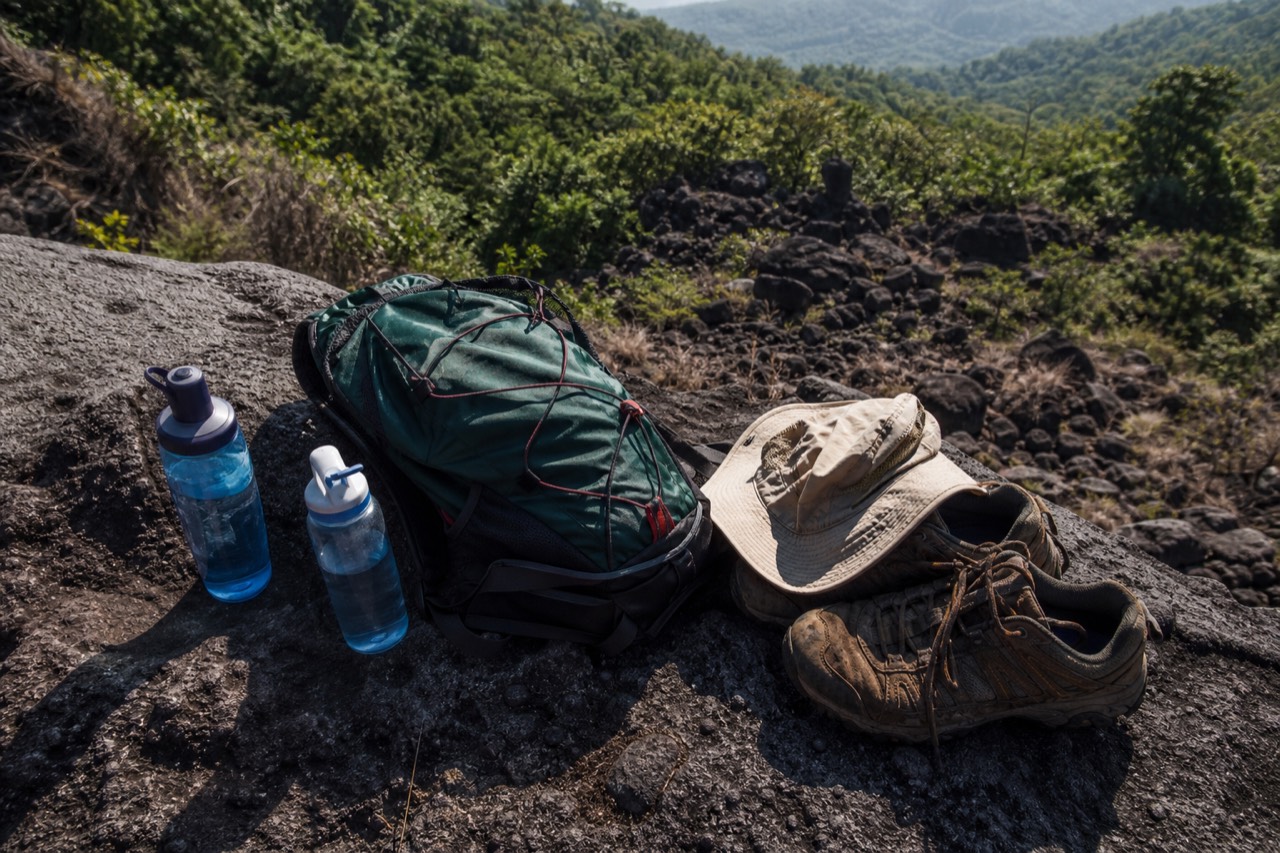
Short answer
Bring 2 liters of water, sunscreen and a hat, sturdy closed shoes with grip, a light wind layer for the rim, and small US bills. The mountain is cash only: $3 entrance, about $4 for the group guide, $3 parking. Poles rent at the trailhead for about $2.
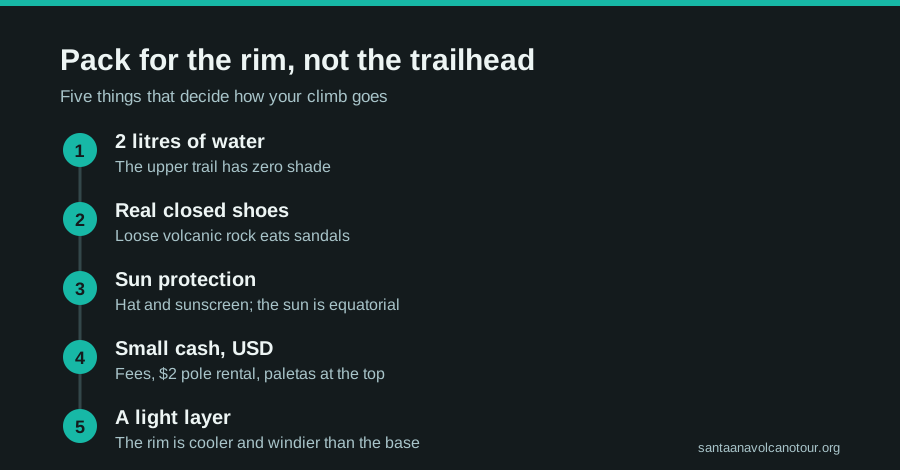
I keep a mental museum of things people have carried up Ilamatepec. Beach sandals. A laptop. One memorable full-size umbrella that tried to leave for Guatemala at the rim. Since 2018 I have watched every packing mistake this volcano can produce, and the good news is that the correct list is short, cheap, and fits in any daypack. Here it is, with the reasoning, because a list without the why gets ignored at 6 am.
What do you actually need for the hike?
Five things cover almost everyone: 2 liters of water per person, serious sun protection, closed shoes with real grip, one light layer for the wind at the rim, and small-denomination US dollars. Everything else is comfort. The hike runs 3 to 4 hours with no supplies on the trail itself beyond rental poles and summit paletas.
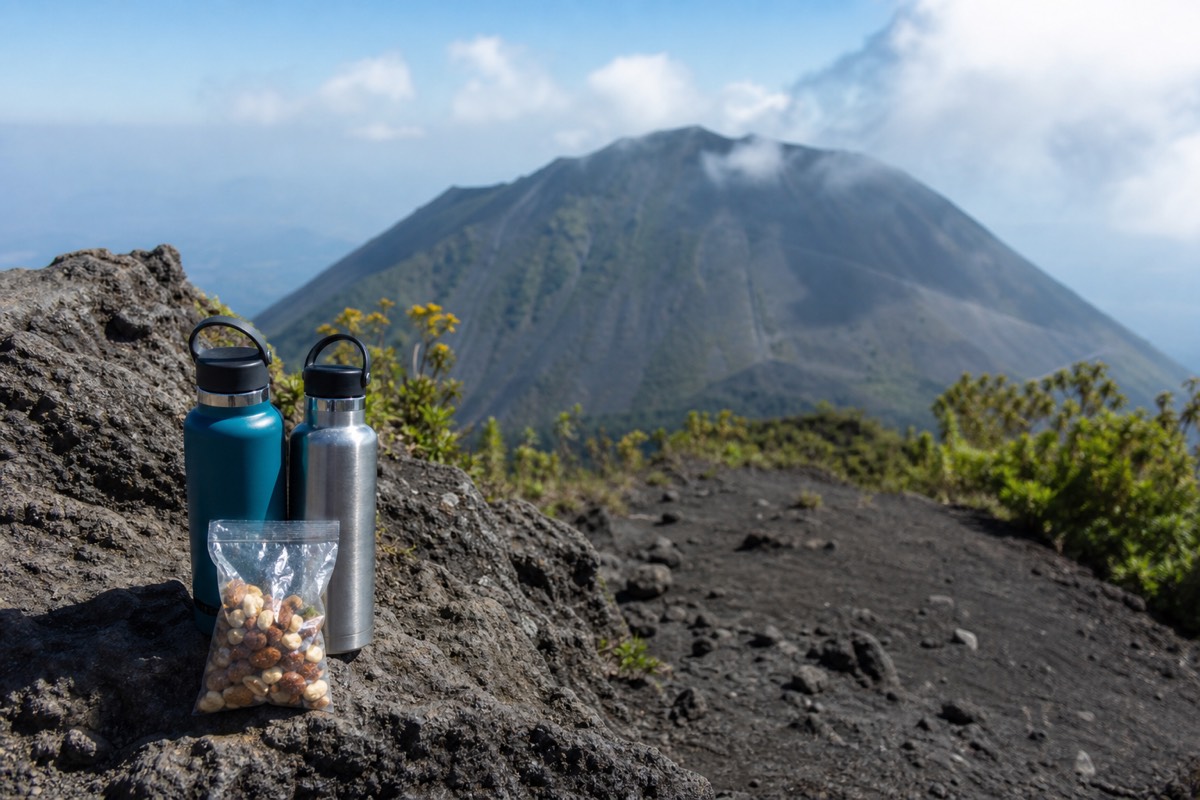
The water figure is not padding. MARN, the agency that monitors the volcano through SNET, puts carrying water in its own short list of ascent rules, alongside not improvising the route and not leaving litter. Two liters sounds heavy until the treeline ends and the upper half of the 6.9 km round trip turns into open sun. I have never once heard a hiker complain about bringing too much.
| Item | Why it earns its place |
|---|---|
| 2 L of water per person | Full sun above the treeline; MARN lists water in its ascent guidance |
| Sunscreen and a hat | The upper half of the trail has no shade at late-morning hours |
| Closed shoes with grip | The final stretch is loose volcanic rock, up and down |
| Light wind layer | The 2,381 m rim is cooler and windier than the trailhead, every season |
| Small US bills | Every fee on the mountain is cash only, paid on the spot |
| Snacks | Nothing is sold on the trail; the summit paleta is dessert, not lunch |
| Phone or camera, charged | Coatepeque and Izalco views start halfway up and do not stop |
| Ankle-supporting footwear if you have it | Recent hikers specifically recommend it for the rocky section |
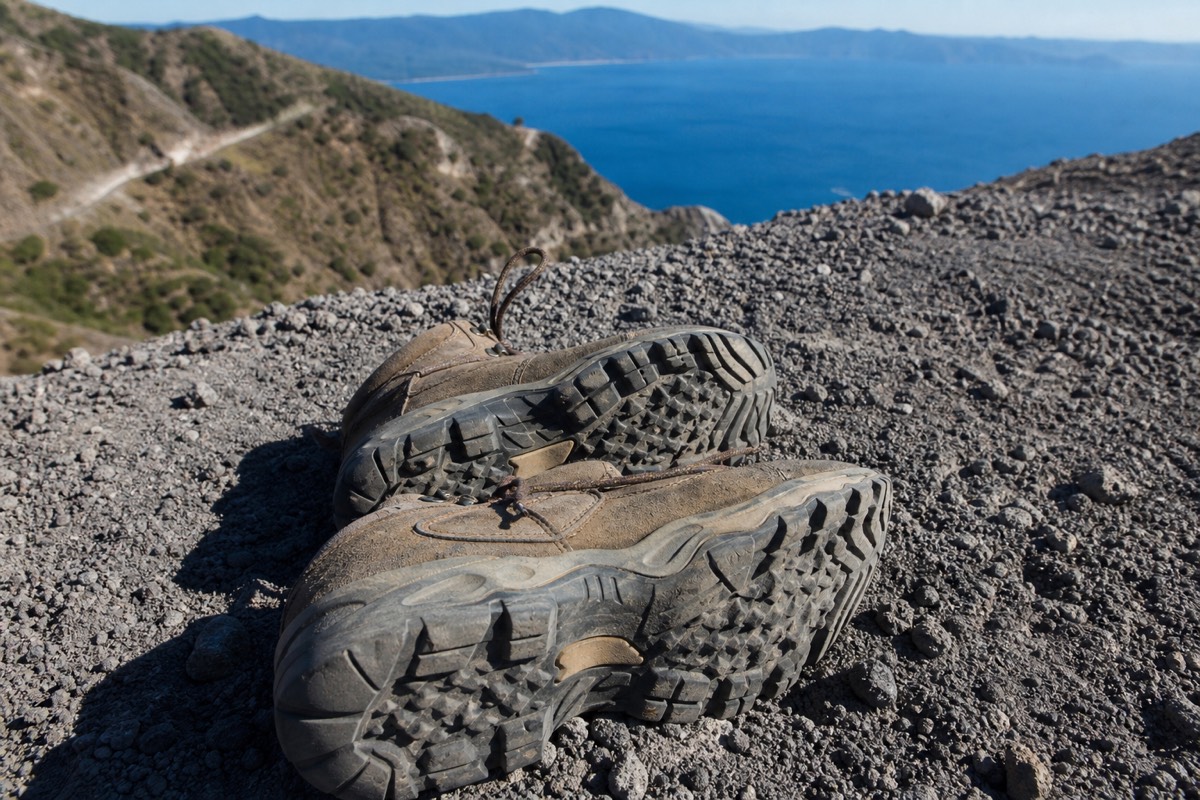
On shoes, let me be blunt, because it is the one item that decides how your descent feels. The last section of trail is loose rock, and you cross it twice, tired the second time. Trail runners are fine. Hiking boots are fine. Anything with a smooth sole becomes a sled. The rocky stretch is described segment by segment in the full trail walkthrough, and hikers logging the route on AllTrails keep repeating the same footwear advice under its 4.8 star rating.
How much cash do you need, exactly?
Carry about $20 per person in small bills and you are covered for everything the mountain can charge you: $3 entrance for foreigners, roughly $4 for the shared guide, $3 parking if you drove, $2 if you rent poles, and a little extra for the paleta seller at the summit.
| Expense | Cash needed (USD) |
|---|---|
| Park entrance, foreigners | $3 |
| Park entrance, Salvadorans | $1.50 |
| Shared local guide | ~$4 per person |
| Private guide, optional | ~$35 to $40 |
| Parking, if driving | $3 |
| Trekking pole rental, optional | ~$2 |
| Paletas at the summit | Pocket change |
| Bus 248 from Santa Ana, if DIY | ~$0.70 each way |
That math is not theoretical. One independent hiker in April 2025 reported an all-in day of about $17: entrance, parking, guide, and paletas at the top. Small bills are the real instruction here. There are no card machines, no ATMs, and no one at a trailhead kiosk happily making change for large notes at 9 am. The complete budget picture, including what the guided day bundles versus what you pay piecemeal, lives in the cost breakdown guide.
What changes with the seasons?
The list stays the same all year; the quantities shift. Dry season, November through April, is a sun problem: more water, more sunscreen. Green season, May through October, adds a rain layer and better shoe grip for mud, though the late-morning group ascent usually finishes before the afternoon cloud builds.
| Season | What to adjust | Why |
|---|---|---|
| Dry season (Nov to Apr) | Max sun protection, full 2 L of water | Clearest crater views come with the strongest sun |
| Green season (May to Oct) | Add a packable rain shell, expect mud | Afternoon cloud and showers; mornings usually stay workable |
| Either season, at the rim | Keep the wind layer accessible | The summit is cooler and windier than the base year round |
People assume the rainy months ruin the hike. Mostly they do not. The daily ascent window starts between 9:30 and 11:00, and the climb wraps before the classic afternoon buildup, which is exactly why the schedule works the way it does. You trade guaranteed views for greener slopes and softer light. If crater visibility is the whole point of your trip, the dry months are safer, and I weigh that trade properly in the best time to hike.
What can you rent, buy or skip?
You can rent trekking poles at the trailhead for about $2, buy paletas at the summit, and skip almost everything else: no tent, no headlamp, no technical gear, no food beyond snacks. The guide is not optional equipment, but you hire one on arrival rather than packing your own.
The poles deserve their own paragraph. Recent reviewers rave about a $2 rental more than about gear costing a hundred times as much, and they are right. On the loose descent, poles turn a knee-jarring skid into a controlled walk. Rent them even if you feel young. Especially if you feel young, because that confidence is exactly what the scree eats first.
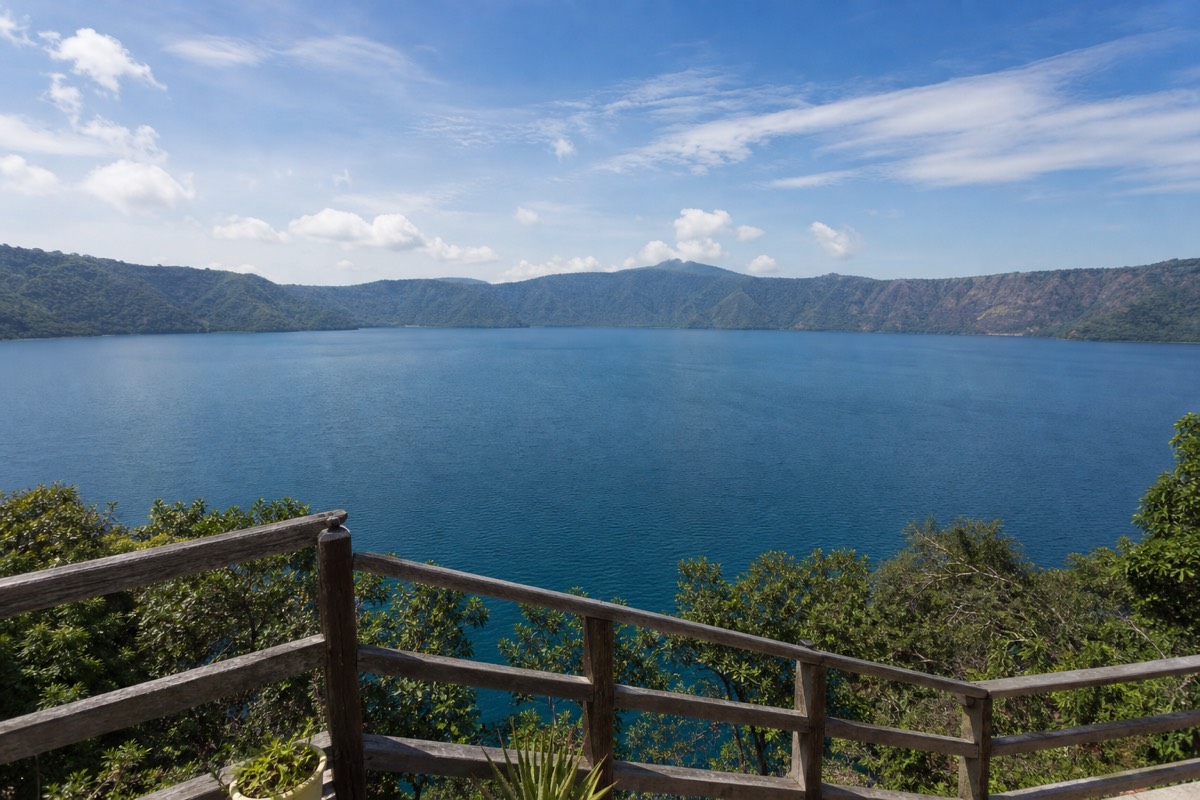
What to leave behind: the umbrella, obviously. Heavy tripods, unless sunrise photography is your profession. Drones need permissions you will not sort out at a trailhead. And do not pack swimwear for the top: the crater lake is sulfuric, acidic, and absolutely off limits, no matter how inviting the turquoise looks from the rim. The swimming lake is Coatepeque, down in the caldera, and it comes later in the day if you take the guided tour.
How does the gear audit run, from your feet up?
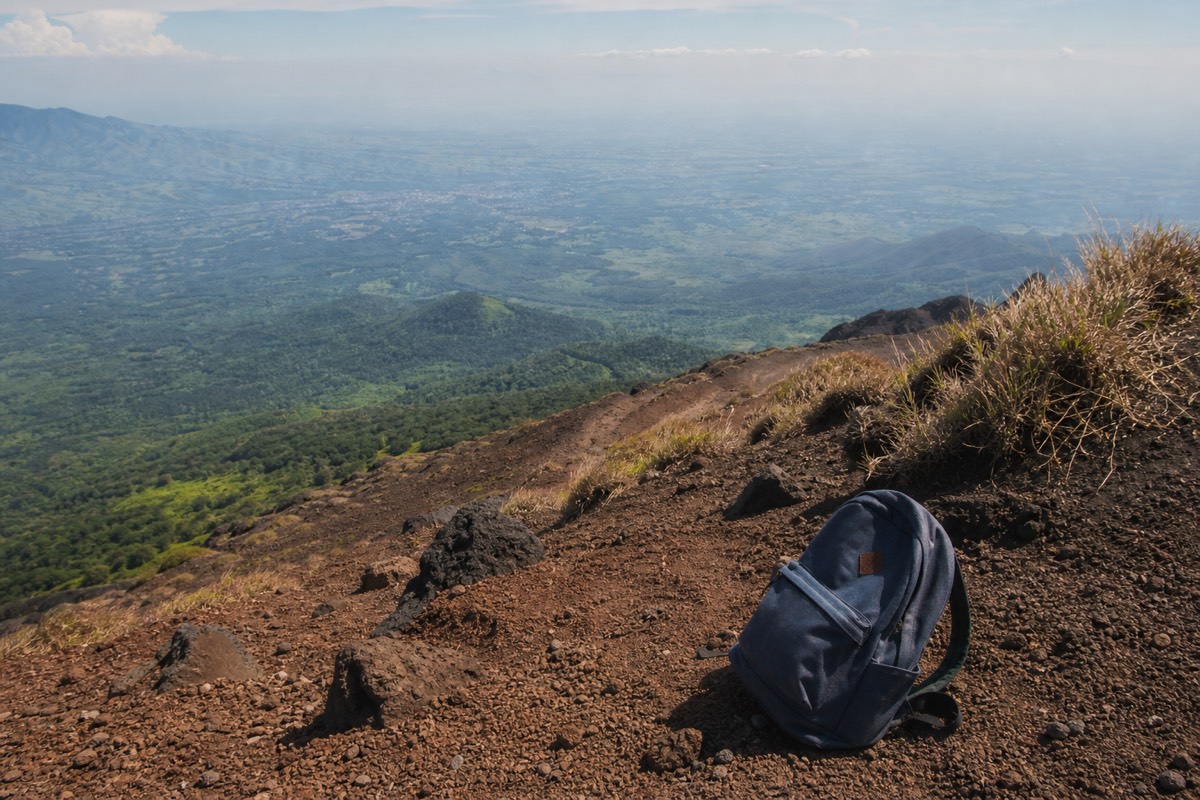
Start at the ground: closed shoes with grip and, ideally, ankle support. Then socks that will not slide, breathable clothes for a sweaty climb, a hat and sunscreen for the open upper half, a packable wind layer for the 2,381 m rim, and a small daypack holding 2 liters of water, snacks and small bills. That is the entire audit. Nothing technical, nothing heavy.
Every packing list looks the same until you sort it by consequence, so here is the version I run through with guests, ordered by how much each item decides your day. The three tiers are planning advice from a guide, not operator requirements; the only thing the mountain truly demands is that you show up with a guide and cash.
| From the ground up | Tier | What happens without it |
|---|---|---|
| Closed shoes with grip | Must | The loose rock near the rim becomes a sled, both ways |
| Ankle-supporting footwear | Strongly advised | Recent hikers name it for the rocky section; skip only if you have sure feet |
| Socks that stay put | Must | Blisters by the second hour |
| Light, breathable clothes | Must | Overheating on the open half after the treeline |
| Hat and sunscreen | Must | Sunburn on the exposed upper trail late morning |
| Packable wind layer | Must | A cold, hurried rim; it is windier and cooler up there in every season |
| Small daypack | Must | Nowhere for the water; hands full on the rock |
| 2 L water per person | Must | MARN lists water in its own ascent guidance for a reason |
| Snacks | Nice | Nothing sold on the trail; the summit paleta is dessert |
| Rental poles, ~$2 | Nice, verging on must | A far harder descent; reviewers rate them the best money on the mountain |
| Camera or charged phone | Nice | You will regret it at the Izalco viewpoint |
Read the right-hand column twice, because that is the honest content of this page. Almost every consequence lands in the same two places: the open sun above the treeline and the loose rock in the last section, crossed tired on the way down. Pack for those two things and the rest of the 6.9 km takes care of itself. For how the loose section actually feels underfoot, the terrain is described stretch by stretch in how hard the hike really is.
How much water and food is really enough for 3 to 4 hours?
Two liters of water per person, drunk early and often, plus enough snacks to cover a late lunch: the climb runs 3 to 4 hours with nothing sold on the trail except poles at the bottom and paletas at the summit. On the guided day, lunch waits at Lake Coatepeque afterwards, so pack for the hike, not for the day.
Water is the item people underpack because the trailhead is shaded and cool. Then the trees end. The upper half of the trail is open, the late-morning sun is direct, and by the rocky push most people are drinking faster than they expected. Two liters is not a cautious number; it is roughly what a steady drinker gets through between the gate and the descent, and it is the amount MARN names in its short ascent guidance alongside not improvising the route and carrying your litter out.
| Stage of the day | Water to allow | Food |
|---|---|---|
| Waiting at the gate, group forming | A few sips, top up if you can | Something small; you may wait a while |
| Lower forest, first hour | Drink at every stop even if not thirsty | Not needed yet |
| Open slopes and rocky push | The bulk of your bottle goes here | A snack at the Izalco viewpoint |
| Rim | Whatever is left, plus a paleta from the seller | The paleta, cash, pocket change |
| Descent, ~1.5 hours | Keep a last few hundred milliliters | The remaining snack |
| After, on the guided day | Whatever you like | Lunch at Coatepeque, included |
Food is simpler. Nothing on the trail will feed you, so a couple of snacks in the pack cover the climb, and if you are on the featured day the real meal comes afterwards on the lake shore. Independent hikers should plan the return meal too, because from the trailhead it is bus 248 back to Santa Ana city or a drive back to wherever you started. That is one of the quiet reasons people book the guided day tour: nobody thinks about food at 13:30 on a volcano until they are hungry on one. Whatever you carry up, carry the wrappers down; the no-litter rule is MARN's, and the guides enforce it. The lake at the top, for the record, is not a water source; it is sulfuric and acidic, and the explainer on why sits in the crater lake guide.
What do you carry differently for the bus day and the guided day?
On the independent bus day you carry the whole mountain in cash: about $0.70 each way for bus 248, $3 entrance, roughly $4 for the shared guide, $2 for poles, plus lunch money. On the guided day admission and the Coatepeque lunch are included and pickup is from your hotel, so cash shrinks to poles, paletas and tips. Water, sun cover, shoes and layer stay identical.
The two versions of this hike ask for the same body and different wallets. Here they are side by side, using only the mountain's own price list, so you can pack the right one.
| Item | Independent day via bus 248 | The featured guided day |
|---|---|---|
| Transport | Bus 248 from La Vencedora, ~$0.70 each way, ~2 hours | Hotel pickup from San Salvador, El Tunco or El Zonte, included |
| Park entrance | $3 cash at the gate | Included |
| Guide | ~$4 shared, cash at the gate | Included in the group |
| Parking | $3 if you drove instead of the bus | Not your problem |
| Poles | ~$2 rental, cash | ~$2 rental, cash |
| Lunch | Your own plan, back in Santa Ana city or wherever the bus lands | Lakeside lunch at Coatepeque, included |
| Cash to carry | Small bills, roughly $20 covers everything | Small bills for poles, paletas and tips |
| Timing risk | Miss the 7:30 to 7:40 bus, likely miss the 11:00 last start | The transport is built around the ascent window |
| Water, sun cover, shoes, layer | Same | Same |
The interesting row is timing, not money. On the bus day the whole morning hinges on one departure from Santa Ana city, and if you are sleeping in San Salvador or on the coast there is no public route that reaches the trailhead inside the window at all. Nothing in your pack fixes that. If that is your starting point, the choice is a driver or the guided day, and the pieces are compared properly in the volcano from San Salvador and the volcano from El Tunco.
What packing mistakes do I see every week?
Large notes and no small bills, no layer for the rim, one small bottle of water, smooth-soled shoes, and swimwear packed for a crater lake nobody may touch. Every one of them is cheap to prevent and annoying to live with. The fix is a five-item check at the door: water, sun, shoes, layer, small bills.
I said at the top that I keep a museum of things people have carried up Ilamatepec. Here is the other collection: what they failed to carry, or carried wrong. This is my own count from the trail since 2018, offered as a guide's advice rather than any operator's rule, and the pattern is stubborn.
Large bills come first, every single week. Someone arrives with a crisp $20 for a $3 entrance, then a $4 guide, then a $2 pole rental, and spends the morning waiting for change that nobody at a trailhead has. Break a twenty into ones and fives in town. Next is the missing wind layer, then the single small water bottle that is empty and quiet by the rocky push, then smooth soles sliding on the descent, and every so often swimwear packed hopefully for the summit. Occasionally a full-size umbrella turns up, and the wind at 2,381 m deals with that one for me.
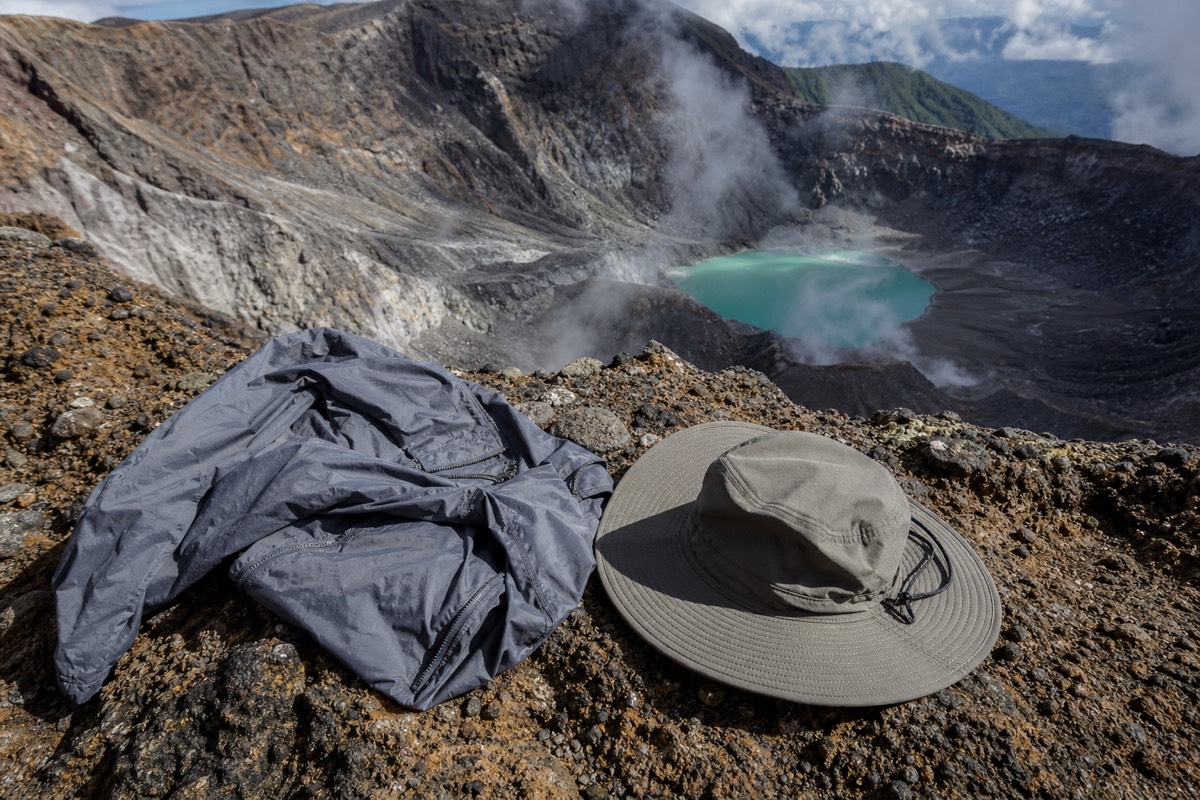
The wind layer is the one that catches the most people, because the trailhead is genuinely warm and the idea of being cold in El Salvador feels silly. Then you arrive at the rim, sweating, and the wind hits. The rim is cooler and windier than the base in every month of the year, and a layer that weighs almost nothing turns a shivery ten minutes into a comfortable half hour with the lake below you. The other stubborn one is the swimwear. The crater lake is turquoise, sulfuric, acidic and completely off limits; the swimming lake is Coatepeque, and on the guided day you reach it after the hike, so if you want to swim, pack the swimsuit for the afternoon, not the summit.
When during the day does each item actually come out?
Cash first, at the gate. Sunscreen and hat before the trees end. Water at every stop, most of it on the open half. Poles for the rocky push and again for the whole descent. The wind layer at the rim. Snacks at the Izalco viewpoint. Swimwear, if any, only after the hike at Coatepeque. Pack in that order and nothing is buried when you need it.
A packing list tells you what; the mountain tells you when. Loading your bag in the order the day uses things is the difference between a smooth climb and one where you dig for sunscreen on a windy slope. This is how a typical guided-window day plays out against the kit, using the trail's own timings as allowances.
| Time (allow) | Where you are | What comes out of the pack |
|---|---|---|
| ~9:30 to 10:00 | Gate and group forming | Small bills: entrance, guide, parking if you drove |
| ~10:00 | Trailhead | Poles rented, ~$2; a first sip of water |
| ~10:00 to 11:00 | Lower forest and forest climb | Water at each stop; hat and sunscreen on before the trees thin |
| ~11:00 to 11:30 | Open slopes, Izalco views | Snack, camera, most of the water |
| ~11:30 to 12:00 | Rocky summit push | Poles working, layer moved to the top of the bag |
| ~12:00 to 12:45 | Rim, before the ~13:00 close | Wind layer on, camera, pocket change for a paleta |
| ~12:45 to 14:15 | Descent | Poles the whole way, last of the water |
| Afterwards | Coatepeque on the guided day | Swimwear if you brought it, and lunch |
Notice that the wind layer sits near the top of the pack all morning and comes out last. That is deliberate. On the final push the wind starts and by the rim you want it within reach without unpacking everything on loose rock. The same logic puts sunscreen in an outside pocket: you apply it before the shade ends, not after you are already burning. Once the descent is done, the day changes character entirely; the guided group heads for lunch on the lake, and the independent hiker heads for the bus. Either way, the check I run at the trailhead every morning holds from start to finish: water, sun, shoes, layer, small bills.
Does the guided day change what you pack?
Yes, it shortens the list. The guided day includes admission and a lakeside lunch at Coatepeque, with hotel pickup from San Salvador, El Tunco and El Zonte, so the cash table shrinks to tips and paletas. You still bring your own water, sun cover, shoes and wind layer.
Packing anxiety is really logistics anxiety wearing a costume. The version of this hike where someone else handles the entrance tickets, the timing and the food is the version where your pack holds water and a jacket and nothing else matters. That day runs 7 to 10 hours door to door, scores 4.9 across 869 Viator reviews with a Badge of Excellence, and ends with lunch on the water instead of granola bars in a parking lot. If that sounds like your speed, book the guided day tour and check live availability and prices on Viator, then pack the short list above and stop thinking about it. Free cancellation runs to 24 hours before, which is more flexibility than your shoes will ever give you.
Final check, the one I run at the trailhead every time: water, sun, shoes, layer, small bills. Five items. If your bag has those, the mountain has no surprises left for you, and you can spend the climb looking at volcanoes instead of thinking about your feet.